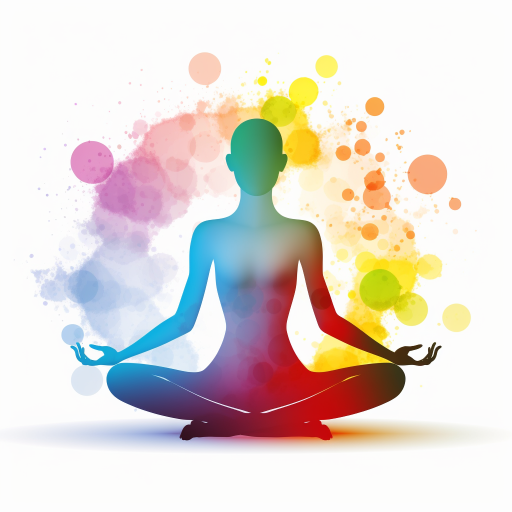
Unleashing the Power of Meditation for Improved Wellness
Meditation, in its simplest form, is a practice of turning inward to focus one’s mind on a particular subject. It has been an essential tool to humanity for centuries now, with its roots found in ancient Eastern cultures. In today’s fast-paced world, where people are constantly stressed and anxious, meditation has become increasingly popular and necessary for improved wellness.
The practice of meditation doesn’t require any specific gear or equipment; all that is needed is a few quiet moments and an open mind. While there are various types of meditation techniques available today, the basic idea remains the same: to quiet down one’s thoughts and focus on being present in the moment.
By doing so, it allows an individual to achieve inner peace and clarity. Discussing the benefits of meditation is vital as it helps individuals understand how practicing this technique can positively impact their lives.
The benefits go beyond just calming one’s mind; they extend towards improved physical and mental wellness as well as better relationships with others. Meditation has been proven to have numerous beneficial effects on health, including reducing stress levels and improving overall mood.
In this article, we will explore some of the most significant benefits that come with regular practice of meditation: from enhancing physical health to boosting emotional well-being – all while promoting a sense of calmness within oneself. These benefits will help you understand why incorporating regular meditation practices into your routine can lead to a happier and more fulfilling life overall.
Physical Benefits
Meditation has long been touted as a way to improve mental well-being, but it also has some significant physical benefits. In fact, research has shown that regular meditation practice can help boost your immune system, lower blood pressure, and reduce inflammation.
Improved Immune System
One of the most significant ways that meditation can benefit your body is by boosting your immune system. Studies have shown that regular meditation practice can increase the production of antibodies in your body, which helps to fight off infections and illnesses. It can also increase the activity of natural killer cells which destroy cancerous cells.
Furthermore, meditation has been found to reduce stress hormones such as cortisol and adrenaline that can wreak havoc the immune system if left unchecked. By reducing stress levels through meditation, this allows for your body’s natural defenses to be better equipped to fight off harmful invaders.
Lowered Blood Pressure
High blood pressure is a common problem for many people around the world. However, regular meditation sessions have been linked to a reduction in blood pressure levels. This may be because during meditation, you enter a state of deep relaxation where both your mind and body are able to de-stress.
As previously mentioned stress hormones like cortisol constricts blood vessels leading to high blood pressure. By regularly practicing meditation over time you’ll start noticing a significant drop in blood pressure and thus lowering risk factors for heart attacks or strokes associated with hypertension or high blood pressure.
Reduced Inflammation
Inflammation is often linked with chronic diseases such as arthritis and diabetes among others. Meditation is shown to reduce inflammation markers like C-reactive protein (CRP) by lowering stress-induced cytokines from the body’s immune response system. Regular meditation practice helps calm down both mind and body which reduces not only mental but physical stresses too contributing towards reduced inflammation and overall better health.
With the physical benefits of meditation being so profound, it’s no wonder that this ancient practice is becoming more and more popular around the world. Whether you’re looking to stay healthy, reduce your stress levels, or simply improve your overall well-being, meditation is a great way to do so.
The Mental Benefits of Meditation
Meditation is a powerful tool for improving mental health. It offers a range of benefits that can help to reduce stress and anxiety, improve focus and concentration, and boost mood and emotional well-being. Here are the main ways in which meditation can help to improve your mental health:
Reduced Stress and Anxiety
One of the most well-known benefits of meditation is its ability to reduce stress and anxiety. This is because meditation allows us to slow down our thoughts, focus on the present moment, and let go of worries about the future or regrets about the past. By doing so, we can enter a state of relaxation that reduces our feelings of stress.
Research has shown that regular meditation practice can lower levels of cortisol, a hormone associated with stress. It has also been found to reduce symptoms of anxiety disorders such as panic attacks, social anxiety disorder, generalized anxiety disorder (GAD), obsessive-compulsive disorder (OCD), post-traumatic stress disorder (PTSD), and phobias.
Increased Focus and Concentration
Meditation has also been found to improve focus and concentration. When we meditate, we train our minds to stay focused on one thing at a time – usually our breath or a mantra – for an extended period.
As we do this repeatedly over time, it becomes easier for us to concentrate on other tasks throughout the day. This increased ability to concentrate can have many practical benefits in everyday life – whether you need to focus on your work or studies or simply want to be more present in conversations with friends or family members.
Improved Mood and Emotional Well-Being
Regular meditation practice has been linked with improved mood and emotional well-being. Studies have found that it can reduce symptoms of depression by increasing activity in areas of the brain associated with positive emotions.
It has also been found to increase feelings of happiness, contentment, and overall life satisfaction. In addition, meditation can help us to regulate our emotions more effectively.
By becoming more aware of our thoughts and feelings through meditation practice, we can learn to identify negative patterns of thinking and respond to them in a more positive way. This can lead to a greater sense of inner peace and emotional balance.
Spiritual Benefits
Meditation is not just about sitting quietly and focusing on the breath. It can also have significant spiritual benefits, allowing individuals to tap into a deeper sense of self-awareness. By spending time in quiet reflection, we can gain a greater understanding of who we are and what drives us. Through this process of self-discovery, individuals often experience an enhanced sense of purpose and meaning in life. For many, meditation is a way to connect with the universe and experience a greater level of spirituality. This connection may come in the form of feeling more at one with nature or experiencing a deeper connection to other living beings. For some, it may even feel like they are tapping into something larger than themselves that they cannot fully explain. In addition to connecting with the universe, meditation can also help individuals develop a stronger inner connection. Through regular practice, people become more aware of their thoughts and emotions and learn how to regulate them effectively. This increased self-awareness allows them to gain insight into their own motivations and behaviors, leading to personal growth and development.
Increased Self-Awareness
Self-awareness is an essential component of meditation practice because it helps us understand ourselves better. With increased self-awareness comes an understanding that our thoughts are not necessarily facts; rather than believing everything we think or feel is true, we learn that our thoughts can be influenced by our emotions or external factors.
Meditation provides us with space and time for introspection that few other activities offer us in our busy lives today. When meditating regularly, people become more attuned to their internal experiences through practicing mindfulness – paying attention intentionally without judgment – thereby increasing self-awareness.
As people cultivate this skill through regular meditation practice, they begin noticing patterns in their thinking or behavior that were previously unconscious. They become more comfortable with themselves as they learn how their thoughts affect their feelings and behaviors, empowering themselves to make conscious decisions about how they respond to external stimuli.
Enhanced Sense of Purpose and Meaning in Life
Meditation can help us reconnect with our values and priorities in life. As we pause from our busy lives, sit, and reflect regularly, we begin to see how our actions align with our values.
We become more aware of what is truly important to us, which can increase the sense of meaning and purpose in life. By seeking tranquility within ourselves through meditation practice, we may discover new goals or aspirations and find new ways to pursue them.
This newfound clarity of purpose allows people to feel more fulfilled in their lives as they gain a sense of direction and focus. Ultimately, this boosts motivation levels for pursuing personal growth that they could not have achieved otherwise.
Greater Connection to the Universe
Meditation is an excellent way for individuals to connect with something larger than themselves. Through regular practice, people may begin noticing a greater sense of interconnectedness with other living beings or nature around them.
Some describe this feeling as experiencing a deeper spiritual connection or even a sense of oneness with everything else in the universe. This enhanced connection often results from the increased self-awareness gained through meditation practice; people learn how their thoughts impact their environment while also becoming more attuned to the world around them.
Meditation offers many benefits beyond reducing stress levels or helping one concentrate better at work. By practicing regularly and mindfully observing their thoughts and emotions while meditating, individuals can experience an enhanced sense of self-awareness-leading towards discovering greater meaning and purpose in life – while experiencing a deeper connection to everything else around them.
Social Benefits
While meditation is often viewed as a solo activity, its benefits can extend beyond the individual. Practicing meditation regularly can lead to improved relationships with others and increased empathy and compassion towards others.
Improved relationships with others
One of the reasons that meditation can lead to better relationships with others is because it helps us cultivate a sense of inner peace and calm. When we are less reactive to our own thoughts and emotions, we become less reactive to the behavior of those around us. We are better able to listen to what others are saying without feeling defensive or judgmental.
As a result, communication improves, and we are more likely to resolve conflicts in a peaceful manner. In addition, regular meditation practice has been shown to increase feelings of social connectedness.
When we feel more connected to those around us, we are more likely to be kinder and more compassionate towards them. Meditation can help improve our ability to forgive.
Holding onto grudges or resentment can take a toll on our well-being and strain our relationships with others. Through mindfulness practices such as loving-kindness meditation, we can learn how to let go of negative thoughts and emotions towards ourselves and towards others.
Increased empathy and compassion towards others
Meditation has also been found to increase feelings of empathy and compassion towards others. This is because meditation helps us become more aware of our own thoughts and emotions, which in turn makes us more aware of the thoughts and emotions of those around us.
Mindfulness practices such as loving-kindness meditation also encourage us to extend feelings of love and kindness not only towards ourselves but also towards those around us. By practicing these techniques regularly, we train ourselves in cultivating positive emotions that naturally lead toward greater empathy for all living beings.
Research has shown that meditation can increase activity in areas of the brain associated with empathy and compassion. This means that not only are we more likely to feel empathy for others, but we are also more likely to act on those feelings and engage in actions that benefit those around us.
Overall, the social benefits of practicing meditation are numerous. Improved relationships with others, increased empathy and compassion towards others, and a greater sense of connectedness all make for a more fulfilling life.
Unique Benefits for Specific Groups
Athletes: The Mind-Body Connection
Meditation has been proven to be beneficial for athletes in a variety of ways. One major benefit is the improvement in physical performance. By incorporating meditation into their training routine, athletes can improve their flexibility, endurance and strength.
With increased mindfulness and awareness, they can push themselves harder and reach new levels of fitness. But it’s not just physical benefits that make meditation so effective for athletes – there are also psychological benefits that come from regular practice.
One such benefit is the reduction of stress and anxiety. With high-pressure competitions and demanding training schedules, many athletes experience intense stress which can negatively impact both their performance and overall well-being.
Meditation helps to reduce this stress by promoting a state of relaxation in both mind and body. Another key benefit for athletes is the development of mental toughness.
By learning to focus attention on the present moment, athletes can better cope with distractions and overcome obstacles during competition or training sessions. They also develop a greater sense of resilience, allowing them to bounce back from setbacks more quickly.
Students: Boosting Brainpower
The benefits of meditation aren’t limited to just physical or emotional well-being – it has also been shown to have positive effects on academic performance. For students, this means improved focus, memory retention, creativity and critical thinking skills.
One study showed that students who meditated regularly were able to perform better on exams than those who did not meditate at all. By calming the mind and reducing distractions during study sessions, students are better able to concentrate on material which leads to improved learning outcomes.
Furthermore, meditation has been found effective in reducing test anxiety by decreasing cortisol levels (the hormone responsible for stress). Students who are prone to test anxiety may find relief through regular practice of mindfulness meditation techniques.
Meditation has been shown to boost creativity by stimulating the prefrontal cortex – the area of the brain responsible for creative thinking. This means that students who practice meditation may be more likely to come up with innovative solutions to problems and generate new ideas.
Conclusion
Meditation is a powerful tool for improving our physical, mental, spiritual, and social well-being. Through regular practice, we can experience a range of benefits from reduced stress and anxiety to heightened self-awareness and empathy towards others.
In terms of physical benefits, meditation has been shown to improve the functioning of our immune system by increasing the activity of natural killer cells that help fight off viruses and bacteria. It can also lower blood pressure and reduce inflammation in the body, both of which contribute to better overall health.
Mentally, meditation has been linked to reduced symptoms of depression and anxiety as well as increased focus and concentration. It helps us develop a greater sense of emotional stability by enabling us to observe our thoughts without getting caught up in them.
Spiritually, meditation allows us to tap into our deeper sense of purpose and meaning in life. By connecting with something beyond ourselves, we are able to feel more grounded and fulfilled.
Meditation has unique benefits for specific groups such as athletes who can improve their performance on the field or court through increased mental toughness or students who can reduce test anxiety while enhancing their creativity. Overall, meditation offers an array of benefits that make it worth incorporating into our daily lives.
It is a simple yet powerful practice that can help us cultivate greater peace of mind while improving various aspects of our lives. Give it a try for yourself today!
Embracing mindfulness and meditation can usher in a profound change in your stress management strategies. Immersing ourselves in the realm of mindfulness grants us the ability to analyze our emotions and thoughts deeply, thereby equipping us to tackle stressors more efficiently. Useful tools such as these mindfulness techniques can aid significantly in alleviating stress and enriching personal well-being. In the same vein, meditation provides a powerful means to assuage stress. There’s a plethora of approaches to consider, including these guided meditation exercises and effective meditation practices, designed to infuse tranquility into your daily existence. If you’re in search of professional support, platforms like Talkspace and Online Therapy provide an array of resources and therapy choices to help you manage stress and anxiety. The integration of these practices into your daily routine paves the way for a holistic approach to stress management.
 ZEN STRESS AWAY
Leave a comment